Bike trip in Copenhagen
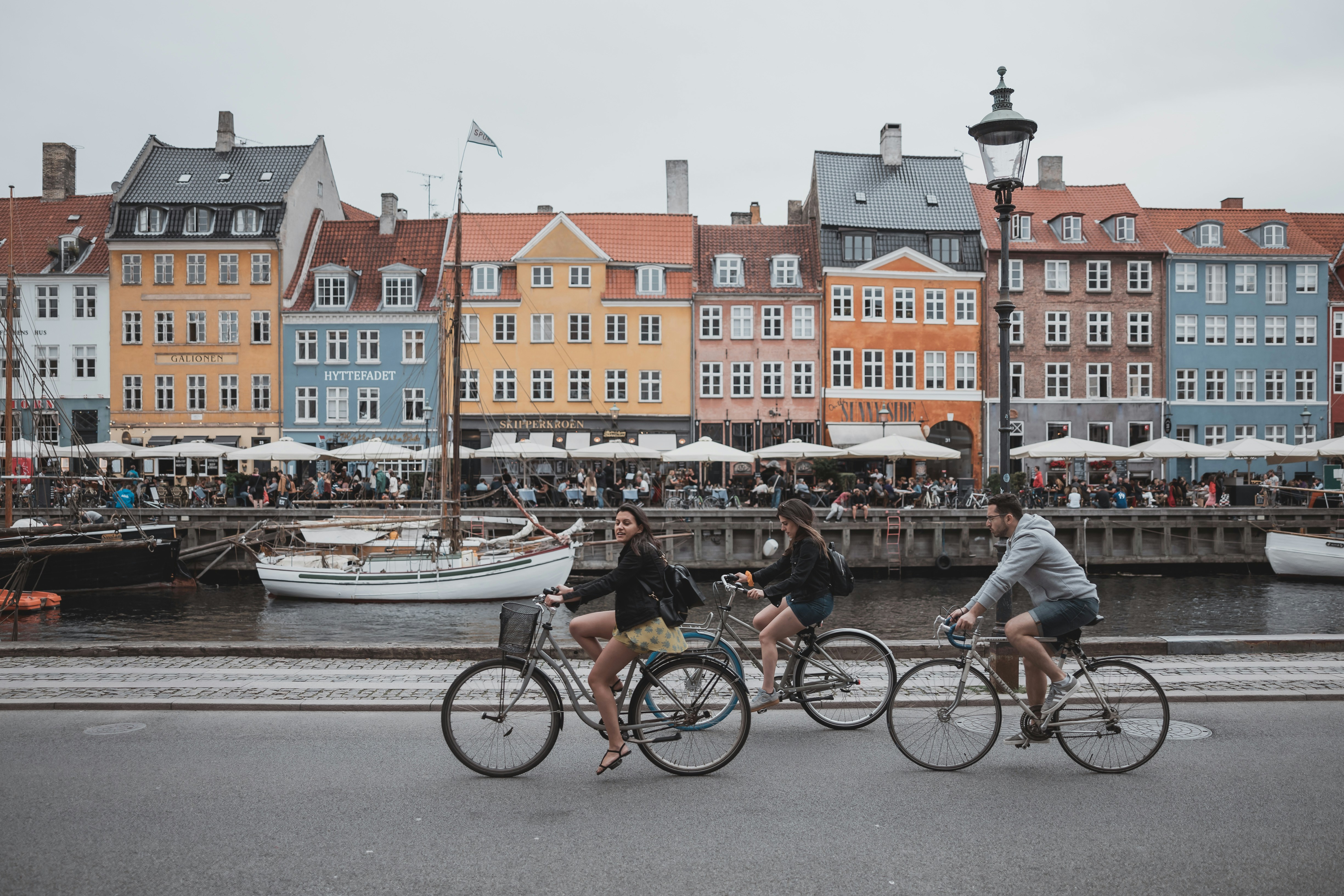
The Green Path (Den Grønne Sti): This is Copenhagen's cycling backbone, a serene 16-kilometer route that cuts through the city from the northwest suburbs all the way to the southern neighborhoods. It passes through lush parks, quiet residential areas, and alongside tranquil lakes, offering a peaceful escape from the bustling city center.
Harbour Ring (Havneringen): This 13-kilometer route circles the entire inner harbor, connecting iconic landmarks like the Opera House, the Black Diamond library, and the historic warehouses of Christianshavn. It features stunning waterfront views and purpose-built bridges like the striking Cykelslangen (The Bicycle Snake), an orange, swooping bridge that offers a thrilling ride above the water.
The Northern Route to Dyrehaven: For a day trip, head north along the coast towards Dyrehaven, a vast, ancient deer park. This route takes you along the scenic Øresund coast, passing the charming seaside town of Hellerup and the impressive Bellevue Beach, before arriving at the park's wild, forested trails where wild deer roam freely.
For digital navigation, apps like Google Maps (with the cycling layer activated) and the dedicated "Donkey Republic" app provide real-time, bike-specific directions, including which bridges are accessible and which roads are bike-only. Look for the blue "Cycle Route" signs posted along main thoroughfares to stay on track.
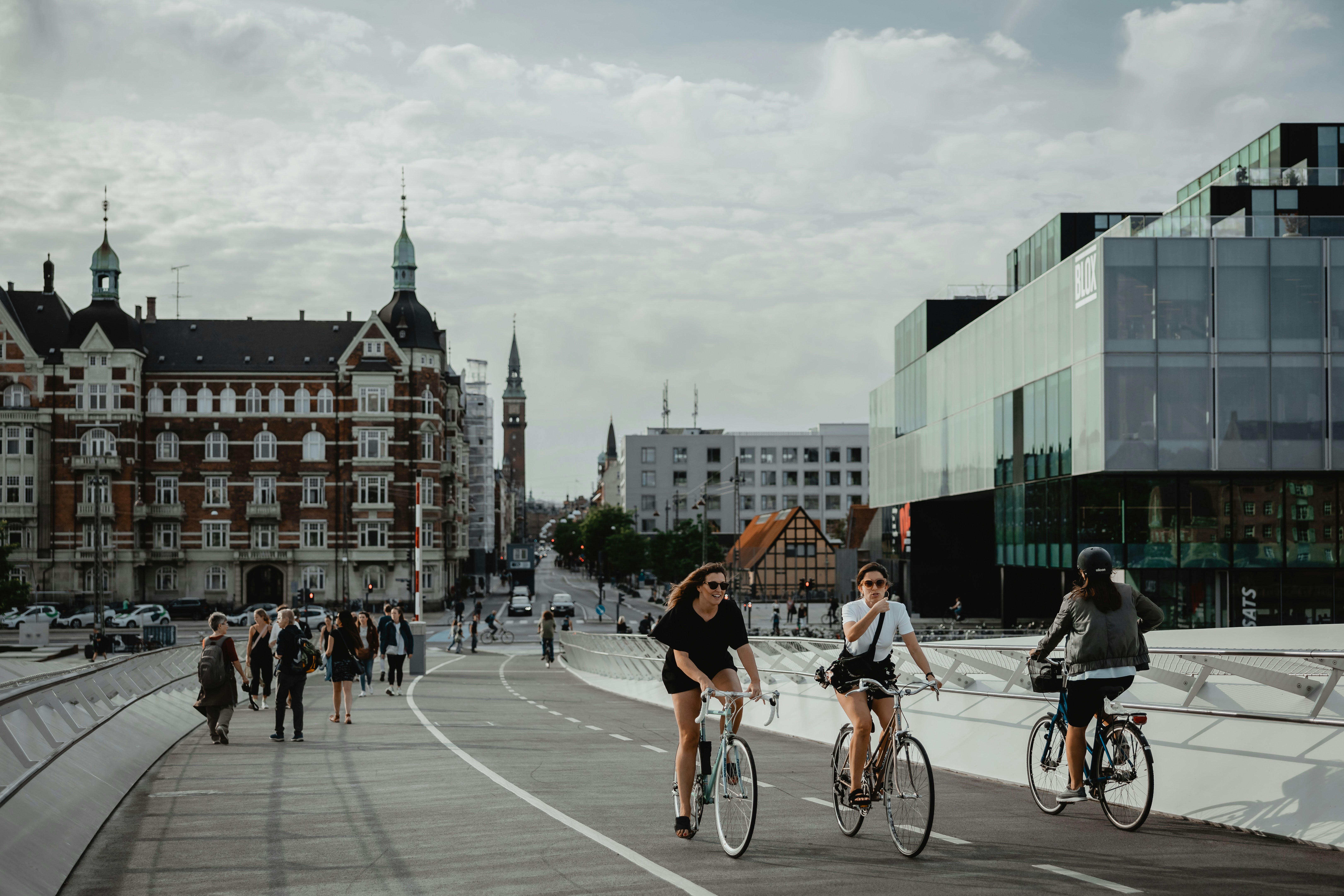
Renting a bike in Copenhagen is as easy as buying a hot dog from a street cart. The city is dotted with rental shops, ranging from old-school, family-run businesses to sleek, app-based services that let you unlock a bike with your smartphone in seconds. No matter your preference, you'll find a bike that suits your style and budget.
City Bikes (Standard): The most common rental. These are sturdy, upright bikes with a step-through frame, perfect for leisurely city cruising. They usually come with a built-in lock and a basket or front rack for your belongings.
Cargo Bikes (Christiania Bikes): A uniquely Danish experience! These iconic, box-front bikes are perfect for families, groups, or anyone wanting to transport a picnic to the park. They're surprisingly easy to ride and offer a fun, novel way to explore.
E-Bikes: For those wanting a little extra help (or who aren't used to the flat but windy conditions), electric bikes are widely available. They offer a pedal-assist feature that makes covering longer distances or heading against the wind a breeze.
Expect to pay around 75-150 DKK per day for a standard city bike. E-bikes and cargo bikes are pricier, ranging from 200-400 DKK. Most rentals require a valid ID and a deposit (usually around 500 DKK or a credit card hold). Helmets are not mandatory in Denmark but are available for free at most rental shops—take one for safety, especially if you're not used to city cycling. Always, always lock your bike properly (with the provided lock and a separate chain lock if possible), as bike theft is not uncommon in the city.
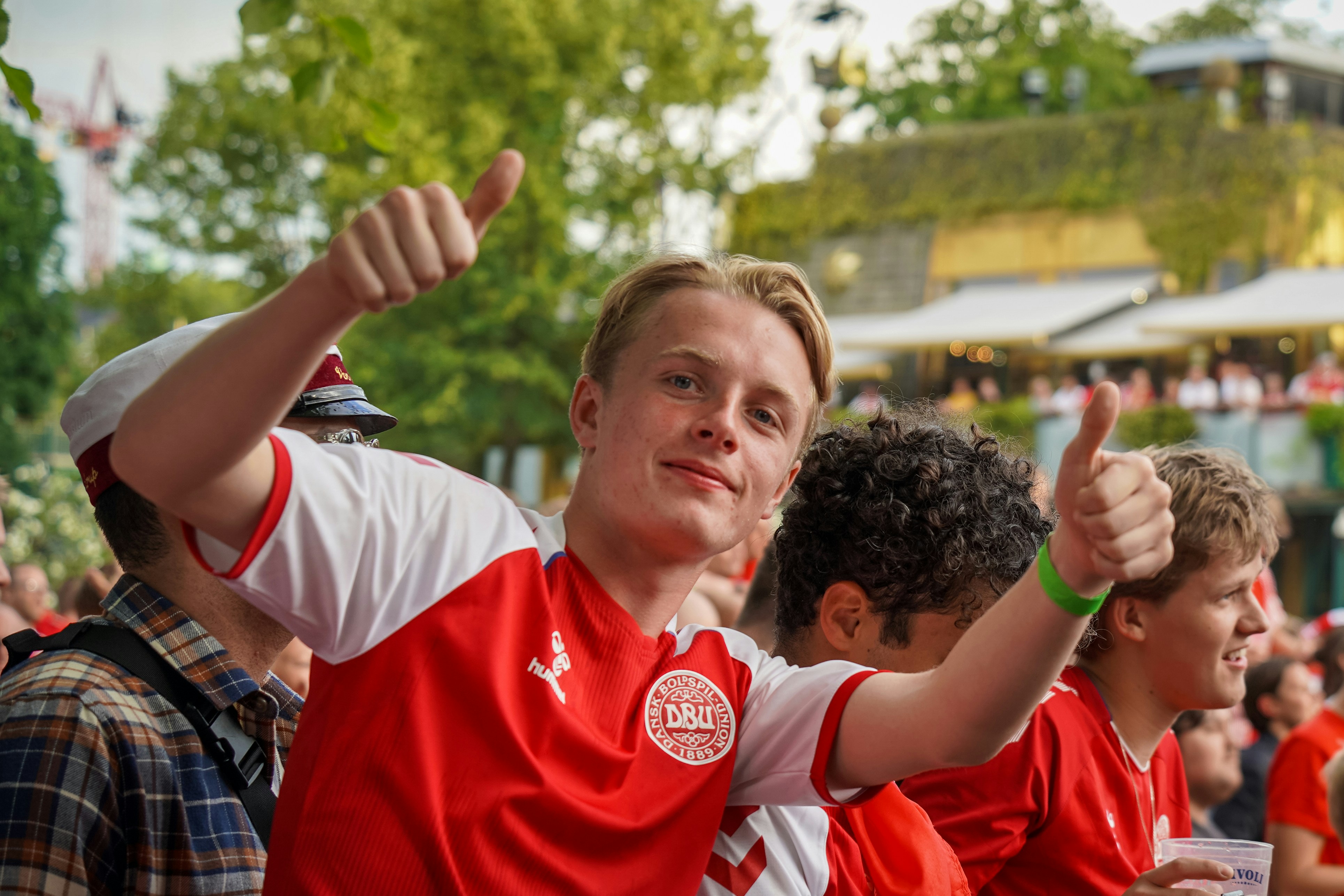
Learning the unspoken rules of the bike lane is your key to blending in. Danes are pragmatic and efficient cyclists. You'll notice that they are always in a hurry, yet they exhibit a remarkable, well-organized chaos. Signaling your turns with clear, outstretched arms is not just polite; it's mandatory etiquette. When you stop at a red light, you'll see people resting their feet on the specially-designed curb-side footrests, a small but telling detail of how seriously the city takes its cyclists.
Copenhageners use their bikes for everything. On any given day, you'll witness parents transporting their children to daycare in large cargo bikes, couples heading out for a romantic dinner dressed to the nines and balancing on their bikes, and even business people in sharp suits cycling to high-level meetings.
The city's respect for cycling is showcased in its infrastructure. Iconic bridges like the Cykelslangen (The Bicycle Snake) provide stunning, elevated pathways exclusively for cyclists. Parking garages specifically for bikes, like the one at Nørreport Station, house thousands of bicycles in a multi-story, futuristic structure. Entire neighborhoods, like Ørestad, have been designed with cycling as the primary mode of transport, with bridges and pathways linking every building. Cycling is woven into the very fabric of Copenhagen, making it the undisputed cycling capital of the world.