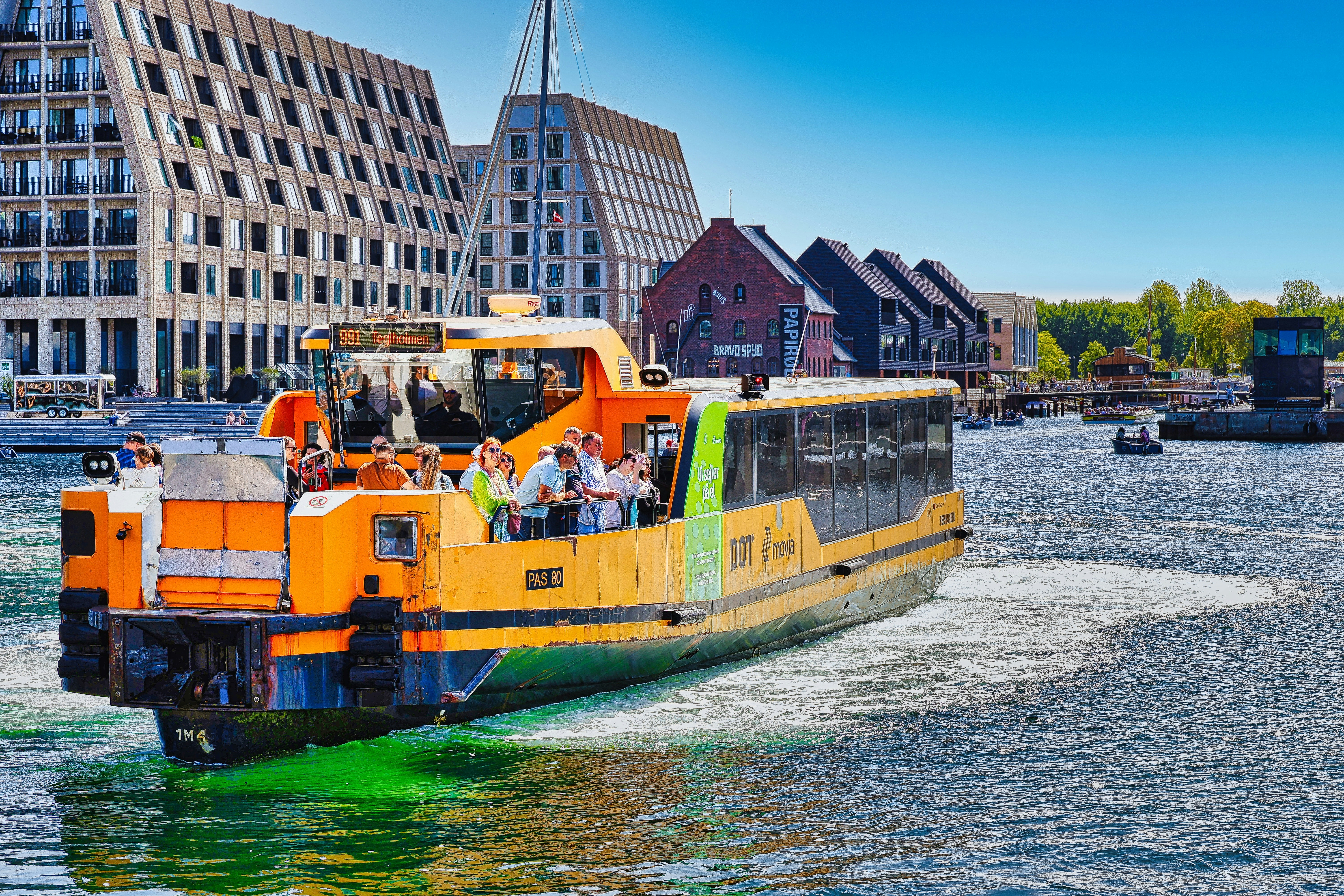
Copenhagen boasts one of the most efficient and cleanest public transport systems in the world. Operated by DOT (Din Offentlige Transport), the network integrates trains, the metro, buses, and even harbor buses into a single, seamless system. You can use a single Rejsekort (travel card) or the DOT app to access all of them with a unified ticket system.
| Mode |
Operator / Lines |
Best For |
| Metro |
M1, M2, M3 (Cityringen), M4 |
Fastest way across the city; runs 24/7. |
| S-Trains (Commuter Rail) |
A, B, C, E, H lines |
Suburbs and outer neighborhoods (e.g., Helsingør, Hillerød). |
| City Buses |
Lines 1A, 2A, 5A, 6A, etc. |
Short distances and areas not covered by metro/trains. |
| Harbor Buses |
Lines 991, 992, 993 |
Scenic, quick water crossings. |
Trip in Seasons
When to Go: A Practical Seasonal Breakdown
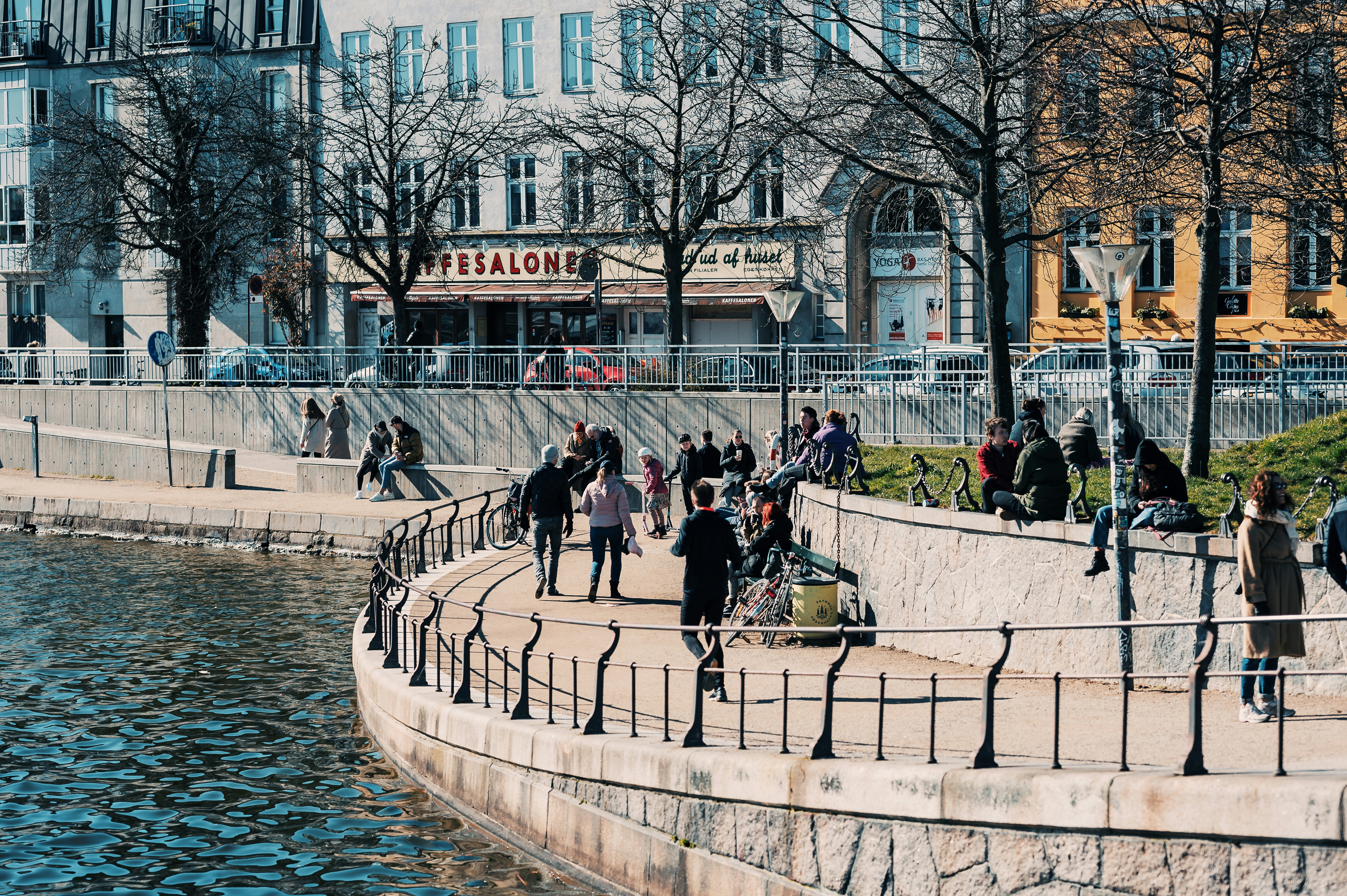
Choosing the right season for your Copenhagen trip isn't just about the weather—it's about budget, crowds, and unique experiences. Here’s the practical lowdown on what to expect each season, from flight deals to local events.
Winter (December - February): This is the cheapest time to fly, with round-trip tickets often 30-40% lower than in summer. Accommodation is also more affordable. However, renting a bike is less practical due to potential ice and snow (many rental shops close or offer winter tires). The highlight is the Tivoli Christmas Market (mid-Nov to early Jan) and the Copenhagen Light Festival (February), which brightens the dark months.
Spring (March - May): Flight prices start to rise but are still reasonable compared to summer. Bike rentals become widely available again as the weather improves. This is festival-lite season, with the Copenhagen Marathon (May) drawing huge crowds and the Distortion Street Festival kicking off in late May, where the city's nightlife spills onto the streets for five days of electronic music.
Summer (June - August): Expect peak prices for both flights and hotels—book at least 3-4 months in advance to secure a decent rate. Bike rentals are at their highest demand. The city is packed with festivals, including the massive Roskilde Festival (late June/early July, just outside the city) and the Copenhagen Jazz Festival (July), which turns the entire city into a live music venue.
Autumn (September - October): This is the "sweet spot" for value. Flight prices drop significantly after the summer rush, and accommodation deals return. Bike rentals are still widely available and pleasant in the crisp air. The cultural season kicks off with the Golden Days Festival (October), a city-wide celebration of 18th-century history with parades and museum exhibitions, and the Copenhagen Beer Celebration (September) for craft brew lovers.
To make your trip stress-free, follow these simple steps:
1. Research and book accommodations in advance to secure the best rates.
2. Plan your itinerary around the city's major attractions and events.
3. Pack for the weather and consider renting a bike to explore the city.
4. Learn a few basic Danish phrases to enhance your interaction with locals.
5. Set a budget and stick to it to avoid overspending.